BRIC 2025: Reflections from Montreal
The BRIC 2025 Conference in Montreal was a vibrant gathering of scholars, librarians, data scientists, and research administrators—all with a shared curiosity: how do we meaningfully measure the impact of research? I was delighted to present our case study, “A Case Study of RIMS and ORCID Implementation at Western University”, with Ellen Imamura, and learn from others pushing the boundaries of research assessment. (You can browse the full archive of presentations here: BRIC 2025 Past Conferences) BRIC Conference Itswas a joyful blend of insight, innovation, and connection. Held in beautiful Montreal, it brought together voices from across Canada and beyond to reflect on how we measure the impact of research—both through traditional lenses and bold new approaches.

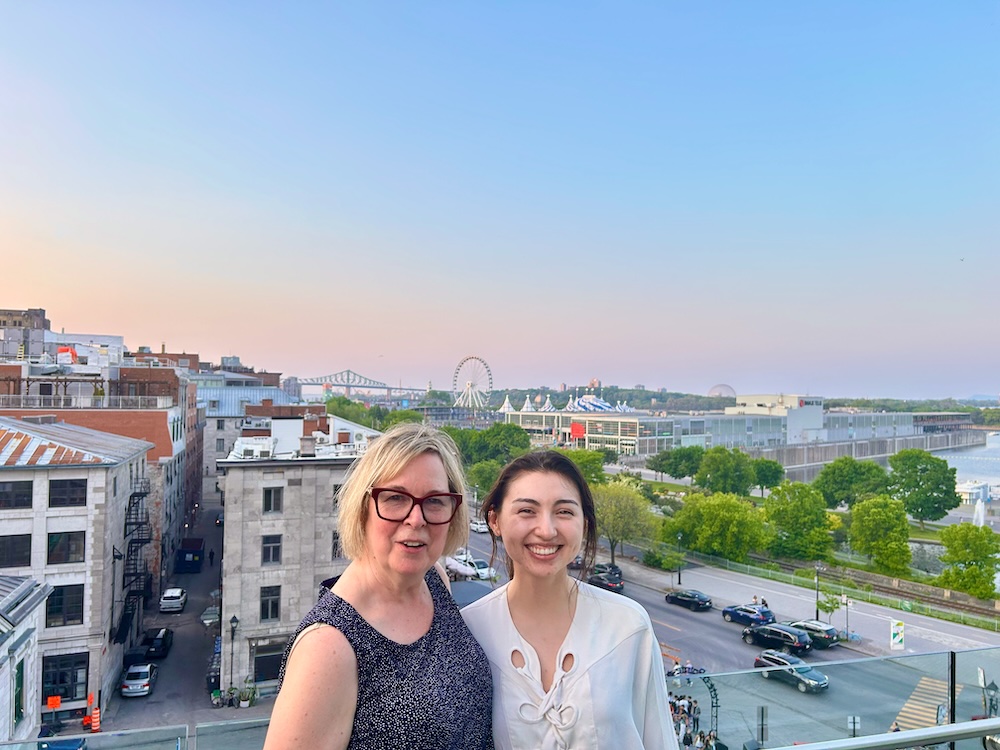
I was honoured to present with my colleague Ellen Imamura in our session titled "A Case Study of RIMS and ORCID Implementation at Western University". It sparked rich conversations with peers navigating similar challenges and dreams for their institutions.
Sessions that Sparked Ideas
- Enhancing Research Integrity through Forensic Scientometrics – Dr. Leslie McIntosh (Digital Science) offered a fascinating view into analyzing patterns that reveal questionable research practices, helping institutions safeguard integrity.Her work digs deep into publication patterns to uncover potential misconduct and reinforce credibility—fascinating and a bit like CSI for scholarly publishing.
- Mapping SDGs by Faculty – A creative approach to visualizing faculty contributions toward the UN Sustainable Development Goals—an inspiring way to foster interdisciplinary connections.
- A Template for Hypothesis Discovery – Jeff Demaine's session introduced a framework for mapping the known to discover what remains unknown—a useful model for framing research gaps. Jeff is a delightful speaker, and I enjoyed very much his novel approach to hypothesis generation in A Template for Hypothesis Discovery. It’s a smart, structured method for mapping existing research to identify what's missing—and where new ideas can flourish.
- PIDs in 2025: New Opportunities to Explore Researcher Activity – Nikolas Lamarre (CRKN) gave a great update on the power and future of persistent identifiers across the research ecosystem. I appreciated the learning about some of the new and upcoming integrations and his take on how PIDs can illuminate connections across the scholarly ecosystem.
Poster Session Highlight
I also enjoyed exploring the posters, including this standout:
“Researcher Profile Self-Driven Adoption and Presence and Accuracy of Database-Driven Identifiers for Nursing Faculty: A Case Study” – Kimberly Powell, Auburn University
Her work highlighted how faculty engagement with identifiers like ORCID plays a key role in ensuring accurate and visible scholarly profiles. We commiserated on the common chellnaged we face in enabling and making use of these systems.

From Bagels to Bridges
From morning lattes to golden-hour strolls, Montreal delivered—both in ideas and ambiance. The setting was perfect for sparking hallway conversations, sharing laughs, and recharging after dense sessions.

Until Next Time
BRIC 2025 reminded me how much energy comes from connecting across roles, sectors, and geographies. Whether you were a first-time presenter or a seasoned data expert, there was room at the table—and in the conversation.
I’m home with new ideas, renewed purpose, and a deep appreciation for colleagues from coast to coast—and beyond. Merci, to the organizing team and to our wonderful hosts at U de Montréal! A la prochaine! 🌟