Commonplace Books, Scrapbooks, and the Art of Gathering a Life
A commonplace book is a personal collection of things worth remembering. Traditionally, people used commonplace books to copy out quotations, poems, recipes, prayers, observations, ideas, and useful bits of knowledge. It was a place to gather wisdom, inspiration, and reflections in one book. A scrapbook is a close cousin. Where a commonplace book often begins with words and ideas, a scrapbook often begins with visual and physical keepsakes: photographs, cards, invitations, ticket stubs, pressed flowers, ribbons, drawings, clippings, postcards, fabric scraps, and other traces of daily life. But the line between the two can be wonderfully blurry. Many of the richest books are hybrids: part commonplace book, part scrapbook, part journal, part family archive, part art object, part love letter.
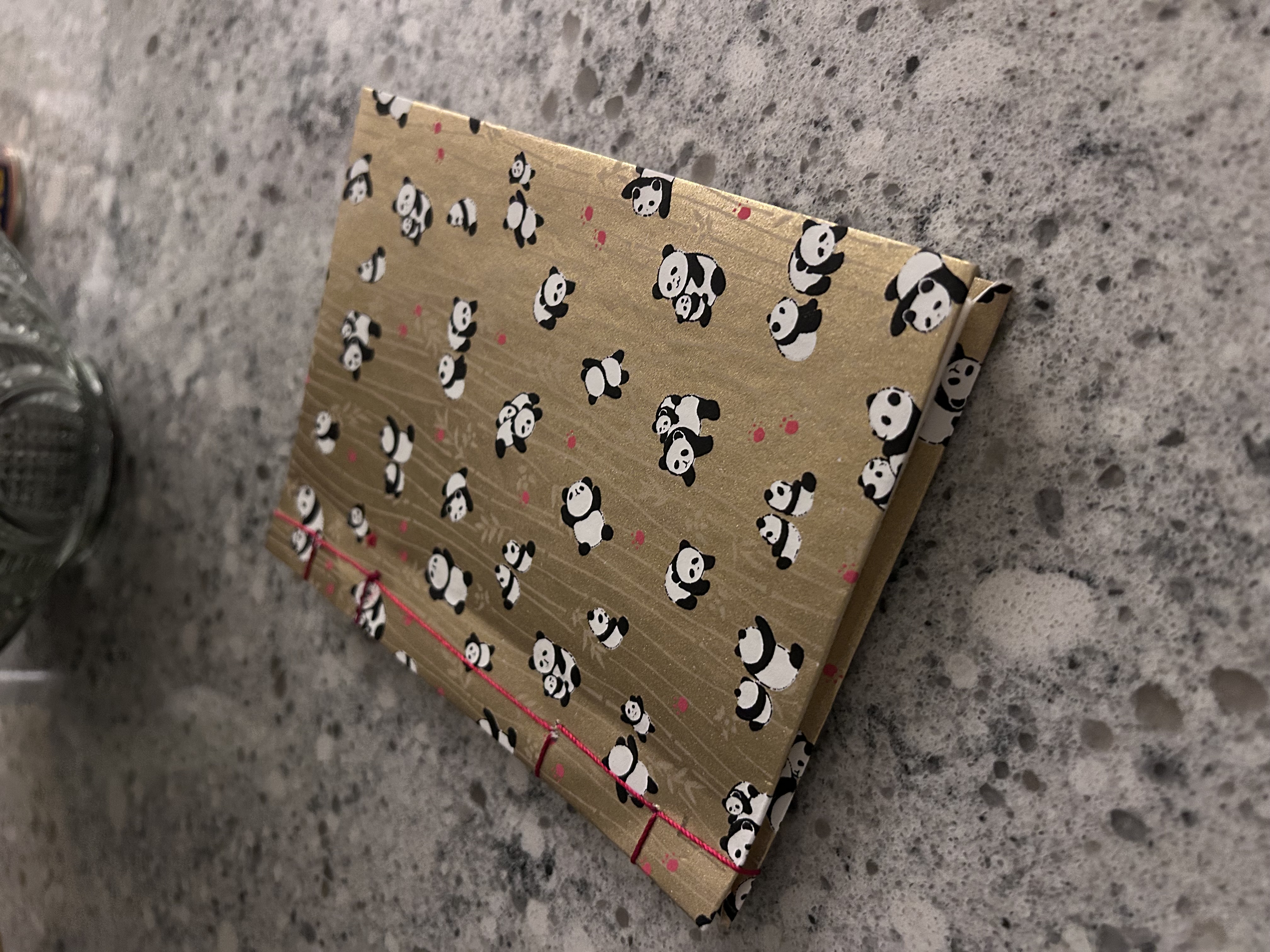
It may seem surprising that commonplace books and scrapbooks are popular again in such a digital age. After all, we can save almost anything now: photographs, articles, recipes, messages, videos, links, family history records, screenshots, and social media posts. But perhaps that is exactly the problem. We can save everything, so it becomes harder to know what matters. Our digital lives are full of fragments. A beautiful photograph might be buried in a camera roll. A recipe may be saved in a browser tab. A family story might live in a text message. A favourite quotation might be screenshotted and forgotten. We collect constantly, but we do not always pause to arrange, reflect, or remember.
A commonplace book or scrapbook gives us a slower, more intentional way to gather meaning. It turns saving into noticing. It asks us to choose: to copy something out by hand, print a photograph, paste in a card, or write a few sentences about why a moment mattered. That small act of attention changes the object. It is no longer just another bit of information. It becomes part of a story.
This is one reason a Book Arts Lab is such a natural place to introduce and promote commonplace books and scrapbooks. In a Book Arts Lab, people can learn not only what to collect, but how to make a book that feels personal from the start. Participants might create a simple pamphlet-stitched booklet, an accordion book, a folded zine, a small chapbook, a handmade journal, or an expandable scrapbook structure with pockets and envelopes.
The book itself becomes part of the memory-making.
A Book Arts Lab can also offer welcoming, low-risk workshops: commonplace books for beginners, scrapbook and memory-book sessions, baby books and family books, recipe books, letterlocking, bookplates, title pages, one-page zines, accordion timelines, and preservation-friendly ways to handle photographs and keepsakes. These activities connect book history, making, archives, family memory, creative practice, and personal reflection.
One wonderful example from Western Libraries’ own collection is the Louis Achille Delaquerrière Album. Delaquerrière was a singer at the Opéra-Comique in Paris, a vocal arts teacher, and a composer. The album, donated to the Music Library by Dr. Liliane Delaquerrière Richardson, contains career memorabilia gathered by Delaquerrière across his life and work, including correspondence, manuscript music scores, programs, sketches, menus, stamps, postcards, photographs, clippings, and other mementos. Western Libraries’ Flickr album includes 798 images from the scrapbook. Delaquerrière Album in Flickr.
What makes a scrapbook like this so important is that it preserves more than official facts. A formal biography might tell us where someone performed, what roles they sang, or when they lived. But a scrapbook can preserve the texture of a life and career: the people someone knew, the events they attended, the things they valued, the traces they chose to keep.


The Delaquerrière Album also reminds us that scrapbooks are not merely sentimental. They can become significant cultural and historical artefacts. In fact, the album received cultural property status from the Canadian government in recognition of its outstanding significance and national importance.
For anyone beginning a commonplace book or scrapbook, the advice is simple: start small. Choose a book that feels welcoming. Add the date. Write a note about why something matters. Collect favourite quotations, recipes, family sayings, photographs, cards, pressed flowers, programs, travel notes, baby milestones, family tree notes, or small pieces of everyday life. A good question to ask is: What would I love to find in someone else’s old book? That is probably the very thing worth saving.
The benefits are wonderfully broad. Commonplace books and scrapbooks help us slow down. They give us a break from the endless scroll. They help us remember, reflect, create, and connect. They preserve ordinary life: jokes, recipes, handwriting, celebrations, routines, favourite songs, remembered places, and the stories behind photographs. They can also support wellbeing. Making something by hand can be calming and grounding. It offers a quiet space for attention, memory, and care.
And in a Book Arts Lab, these books can support learning as well: book history, material culture, archives, preservation, creative writing, visual design, family history, and reflective practice.
Most importantly, they remind us that ordinary life is worth noticing. A commonplace book or scrapbook helps us say: this mattered, this was loved, this is worth remembering. In a digital age, that simple act feels more important than ever.